
Africa
Iran War: Energy shock drives Africa, Asia to nuclear power

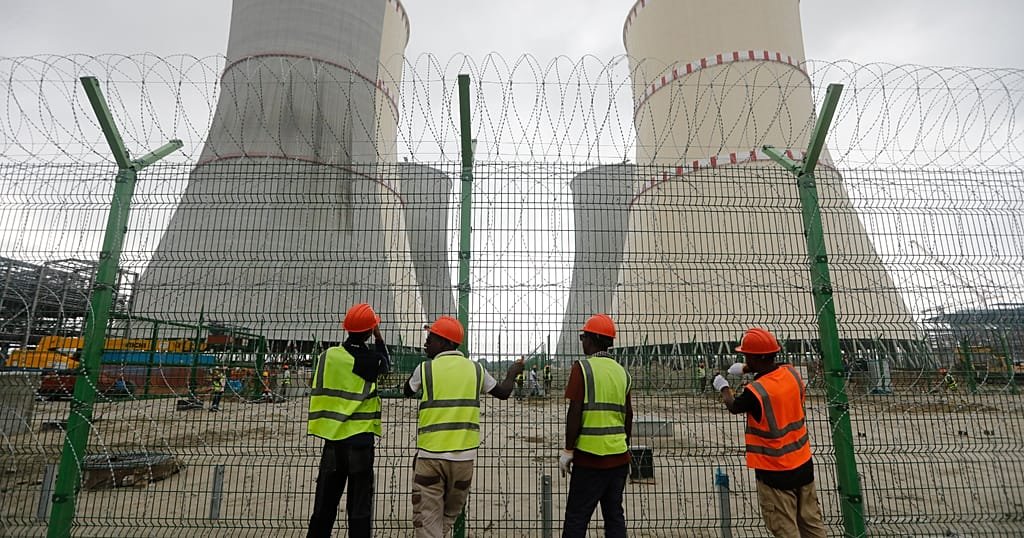
The Iran war and resulting global energy shock are driving some countries in Africa and Asia to ramp up nuclear power generation.
Asia depends on Middle Eastern oil and natural gas, and was hit hard by disruptions to shipping lanes transporting those resources, especially the Strait of Hormuz, through which around a fifth of the world’s oil and gas was shipped before the conflict.
Africa was also heavily affected, and with ceasefire talks so far unsuccessful, the U.S. and Europe are feeling the impact.
For some analysts, the switch to nuclear energy appears inevitable. Rachel Bronson, senior advisor of the Bulletin of the Atomic Scientists, said, ”three factors that are driving the nuclear renaissance is geopolitical. So countries realizing that energy dependence is a vulnerability, and they’re looking for homegrown sources of energy.”
”The second is really industrial policy. Energy-hungry countries looking for ways to provide energy for their people. And the third, that has been added recently, is the recognition that data centers, which are going to be the future of the global economy, are energy intensive and have a quote unquote “insatiable demand” for energy,” she adds.
In Africa, leaders from Kenya, Rwanda and South Africa have voiced support for nuclear energy. Others think there are alternatives that should be used.
Rex Amancio, regional lead for Asia-Pacific for the Global Renewables Alliance:, says, “I don’t think nuclear is a long-term solution. It is not a long-term solution and a short-term solution. It can’t answer to the speed and cost effectiveness that countries, businesses, and people now need, especially in the crisis that we have right now.” ogress is happening already in the Asia-Pacific, for example.”
The process of powering up a plant can take decades, particularly for nuclear newcomers, meaning that for some countries, nuclear is not a quick fix for the current energy crisis.