
Africa
Traditional healers in DRC say they can cure Ebola

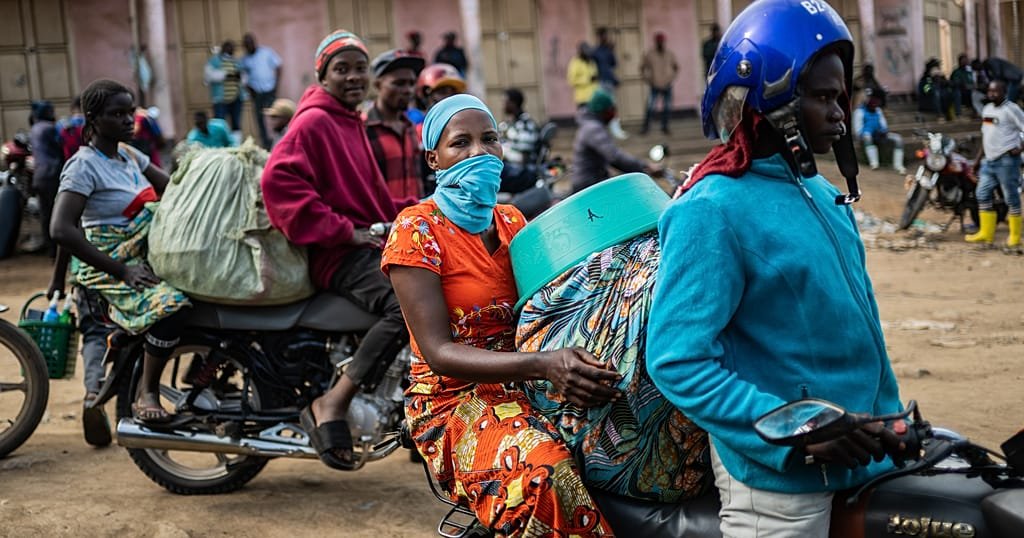
Ituri province in DR Congo is the epicenter of the ongoing Ebola outbreak. The rare Bundibugyo strain of the virus driving the epidemic still has no vaccine or official treatment.
But traditional healers say they a remedy.
Mariam Kabika holds up a large handful of leaves she’s picked from nearby trees:
“I’m going to mix these leaves with other ingredients I already have on hand. I’ll also add some aloe vera, and after washing everything thoroughly, I’ll put the mixture in a saucepan with a bit of water, then bring it to the boil. Once the mixture is ready, I’ll be able to give it to someone who has Ebola.”
In a region where healthcare services are often scarce or inaccessible, many residents turn to healers for treatment. The profession isn’t formally recognised by the state but it is regulated and healers are required to have a licence.
“Traditional medicine and modern medicine are both integral parts of public health, but we “tradis” have not yet been called upon in the fight against Ebola,” says healer Dauda Tshimanga. “That said, on our side we’ve already done our own research and we are certain we’ve found remedies for Ebola, and I’m not the only one.”
While their remedies are not scientifically validated, traditional healers play an influential role in their communities. During past outbreaks, the World Health Organization has worked with them to promote infection-control measures and build trust in public health interventions.