
Lifestyle
Dropped out? Colleges are helping students reenroll to finish degrees

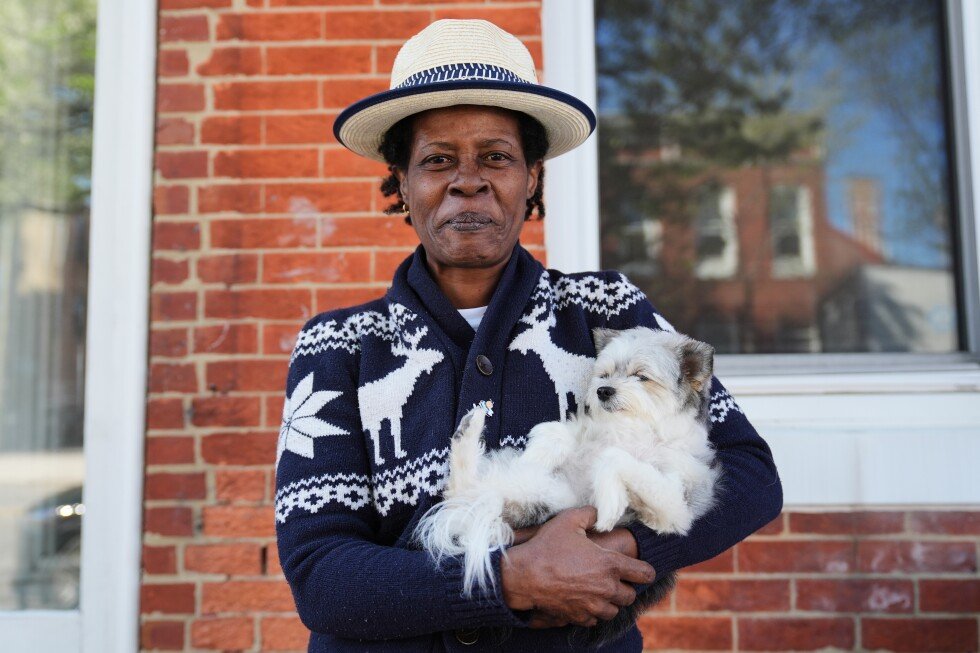
WASHINGTON (AP) — After several deaths in her family and an eviction that left her homeless, Jevona Anderson’s life began to unravel. By 2025, Anderson — then 59 and nearing completion of her bachelor’s degree — was failing classes and falling behind on bills. Eventually, she dropped out, joining a growing group of students who have left college before finishing.
Often referred to as “stopouts,” the group includes about 38 million working-age adults in the U.S. In many cases, they have student loans to pay but lack the credential of a degree to boost their earnings.
While many leave college intending to return, few ultimately do. In recent years, however, colleges and local governments have gotten better at helping them get back on track. The number of stopouts reenrolling has been on the rise, reaching more than 1 million in the 2023-2024 school year, a 7% increase from the year before, according to enrollment data.
In Anderson’s case, it was a scholarship that made the difference. When she was ready to go back, the money helped her afford to reenroll at the University of Baltimore.
“It was so easy for someone my age to stop, because I have a lot of professional skills to get a job to continue to just live,” said Anderson, who is interested in becoming a teacher. “It’s bigger than that.”
Small obstacles knock students off track
Earning a degree can be the best way to improve one’s earnings in the long run. So why do so many abandon their studies, even when they’ve already invested thousands of dollars?
College is time-consuming, expensive and complicated. A small unpaid fee, confusing form or trouble balancing caregiving, work, health issues and transportation can be enough to knock students off their path to a degree.
“Life is always changing. Everybody is going through something,” said Nina Diggs-Pindell, a University of Baltimore student who has stopped out several times because of parenting and work responsibilities.
Anderson first enrolled at the University of Baltimore in 2019 to pursue a bachelor’s in environmental sustainability. She’d dabbled in jobs from fingerprint technician to fitness director, but her career goal crystallized while she was substitute teaching in city schools.
As a kid, Anderson loved playing in the dirt. As an adult, she noticed the absence of green spaces in high-poverty, urban communities. She pursued a bachelor’s degree so she could perhaps become a teacher and, ultimately, share her environmental passions with children through hands-on learning.
“I needed to make sure that I get this degree so I can get back to them somehow, some way,” said Anderson, now 60.
But it was tough for Anderson to juggle her studies and life responsibilities. Fellowships gave her experience, but they paid little. The grief she experienced after losing her relatives compounded her financial struggles, Anderson said, and the eviction made it all but impossible to focus.
“I’m looking at my grades go from A’s and B’s to, like, ‘what is this?’ … to ’I have to take this class again,” Anderson said.
After a long talk with her student support coordinator, she decided to pause her studies.
More states step up to target stopouts
The stopout population keeps growing overall, even as annual stopouts have declined and reenrollment has increased, according to data from the National Student Clearinghouse. The number of people who have left in recent years far outpaces that of students who have reengaged.
Still, states are seeing progress, often through intentional efforts to provide financial assistance or remove bureaucratic hurdles like account holds.
When Anderson’s life stabilized late last year and she was ready to reenroll, she learned through advisers about the university scholarship program for people close to finishing their degrees, largely funded by the Carnegie Corporation. It helped cover her remaining credits and housing costs. Now, she’s on the cusp of graduating.
“Higher education continues to have great unmet potential to help people live better lives, and we’re talking about a group of Americans that have already started down to that path; they’re close to the finish line,” said James Kvaal, who served as undersecretary of education during the Biden administration and now oversees Carnegie’s grantmaking in education and democracy.
Maryland colleges reenrolled 25,068 students from around the country in 2023-2024, an increase of 2,259 from the year before. Still, it’s a tiny number compared with the 600,000 working-age adults who had dropped out of Maryland schools and had not completed their degrees.
Several states have partnered with a company called ReUp that facilitates reenrollment through coaching and data tools that allow schools to refine outreach methods. It also matches students with college programs based on their academic history, life circumstances and employment goals.
Many colleges use data to identify people with a high number of credits, emphasizing specific supports that can help them finish their degrees.
Helping students finish takes more than scholarships
People who’ve put school on the back burner can be hard to track down and reengage. ReUp found it takes an average of 24 touchpoints, such as texts, emails and meetings, before a stopout reenrolls.
But many colleges are deciding it’s a worthy investment — and a light lift compared with recruiting students “from scratch,” said Jennifer Latino of the education research firm EAB, which has studied reenrollment strategies.
When Richie Ince launched a stopout scholarship at Colorado’s Pueblo Community College about a decade ago, he found many former students left because of what he calls “life happens moments.” A little nudging in the form of social media ads and personalized outreach — plus a scholarship now worth about $2,000 — was often enough to bring students back.
“We just heard a lot of students say this was the kind of kick in the pants they needed, or that they just needed someone to reach out,” said Ince, the college’s director of enrollment management.
Participants don’t get their scholarship money until passing their first semester back with C’s or better. That helps to ensure it results in degrees, Ince said. Staff also help returners complete their financial aid application and check in regularly to keep them on track.
The scholarship was the help Melody Blair, 55, needed to go back to school for an associate’s in health information management. She has spent decades working nights at a call center — a job that pays the bills but wears her down. “There are days I just want to take the headset off and say ‘no more,’” she said.
Now Blair, who was adopted as a baby, is pursuing a career in the genomic registry field, helping people who don’t have access to their own medical histories. “It’s one of those jobs I know I can wake up and look forward to doing.”
While Anderson is on track to graduate after this semester, it felt bittersweet when she realized she wouldn’t be able to afford the regalia. The school’s student center has since offered to lend her a cap and gown. Either way, she said, what matters most is the prospect of soon working with children again.
“Me and God made a pact — I am graduating this spring,” she said.
___
Associated Press writer Nicky Forster in New York contributed to this report
___
The Associated Press’ education coverage receives financial support from multiple private foundations. AP is solely responsible for all content. Find AP’s standards for working with philanthropies, a list of supporters and funded coverage areas at AP.org.