
Lifestyle
Seven colorful tomato varieties to consider growing this year

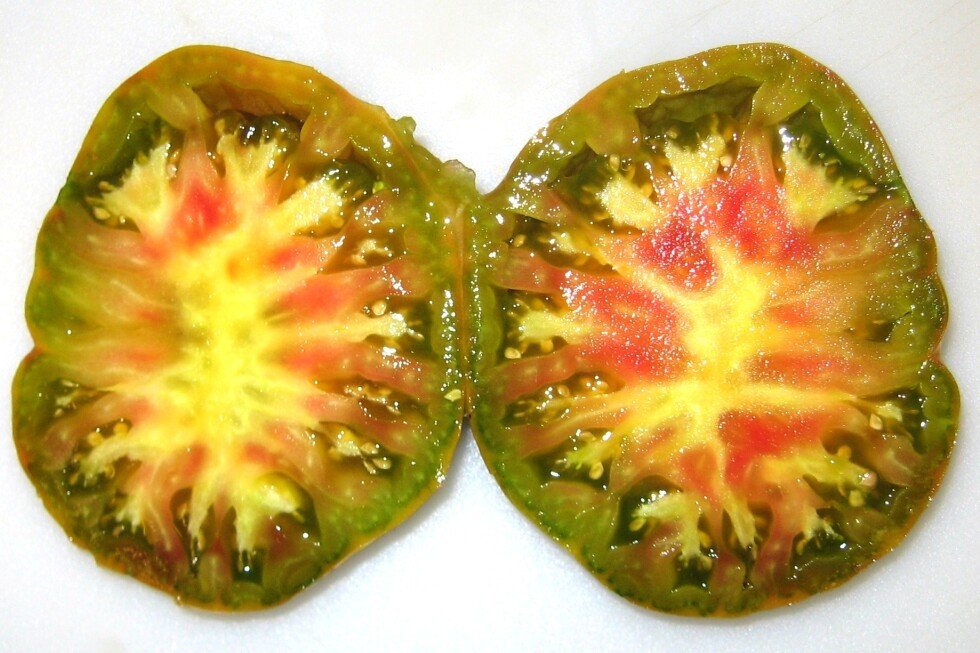
Seed-starting time is right around the corner, and that means it’s time to think about tomatoes.
I can think of no better summer meal than a thick slice of a homegrown Oxheart between two slices of white bread, adorned only with salt, pepper and maybe a couple of basil leaves.
I’m also partial to Beefsteak, Porterhouse, Brandywine, Big Zac and Big Boy, all delicious — and all red, the way many of us have been conditioned to believe tomatoes should be. But there’s a whole kaleidoscope of tomatoes you can grow in your garden.
So this year, as you’re dog-earring catalog pages and dreaming of July, look past the usual suspects. One of these oddballs just might be the tomato you love the most.
Cherokee Purple
It was the first other-colored tomato I grew. I didn’t particularly find the heirloom’s grayish-brown skin or matching flesh appetizing, and my 8-foot-tall (2.5-meter-tall) indeterminate plant didn’t produce as prolifically as most other varieties I’d grown. But its sweet, earthy and somewhat smoky flavor and juicy consistency made for a delicious sandwich.
Black Krim
This old, indeterminate Crimean heirloom introduced to North American home gardeners in 1990 is slightly easier on the eyes. Its sweet, salty, tangy flavor intensifies when allowed to ripen fully on the vine, so resist the urge to harvest prematurely. And if its unusual reddish-gray color turns you off, take a bite and you’ll get over it.
Black Beauty
A few steps up on the aesthetics trellis, Black Beauty lives up to its name. With skin the color of blackberries and deep red, meaty flesh, it’s considered the darkest tomato in the world and has the antioxidant content to prove it. Although it’s a hybrid variety, Black Beauty has been stabilized through selective breeding, so its seeds will grow true to type. And it makes an impressive Caprese salad.
Ananas Noire
Also known by its English translation of Black Pineapple, this tomato variety is the happiest-looking of the bunch. Almost tie-dyed in appearance, the green, red and yellow tricolored hybrid popped up naturally in 1990s Belgium when a pineapple tomato crossed with a black tomato growing nearby. Developed further and stabilized by the Belgian horticulturist Pascal Moreau, and made available to home gardeners in 2005, the indeterminate plants are heavy producers of sweet, juicy, citrusy fruits.
Yellow Pear
This indeterminate heirloom plant produces an abundance of small, vibrant yellow, pear-shaped fruits. According to the Monticello historic site, which collects and sells historic seeds, the indeterminate plant was grown in the early 1600s by American settlers, who preserved and pickled its fruit. We can still do that, of course, as well as eat them out of hand or use them in salads.
Voyager
Voyager tomatoes are true weirdos. The heirloom variety is said to have gotten its name because its fruits are comprised of individual segments that can be pulled apart without disturbing the others, making for good travel snacks. They also reveal an interesting shape when sliced horizontally through the whole fruit. In my garden, Voyagers were quick to ripen. And in my kitchen, they were tangy — enjoyed with a drizzle of olive oil and sprinkle of salt and pepper.
Green Zebra
This green-and-yellow striped tomato variety has bright green interior flesh and a sweet, tangy flavor. Its cultivation spanned four decades, as Everett, Washington, plant breeder Tom Wagner worked to cross several heirloom varieties to create a tomato that would remain green when ripe. The indeterminate plants, made available in 1983, produce crack-resistant fruit with exceptional heat and drought tolerance.
___
Jessica Damiano writes weekly gardening columns for the AP and publishes the award-winning Weekly Dirt Newsletter. You can sign up here for weekly gardening tips and advice.
___
For more AP gardening stories, go to https://apnews.com/hub/gardening.