
Lifestyle
Common gardening myths and misconceptions that could ruin your garden

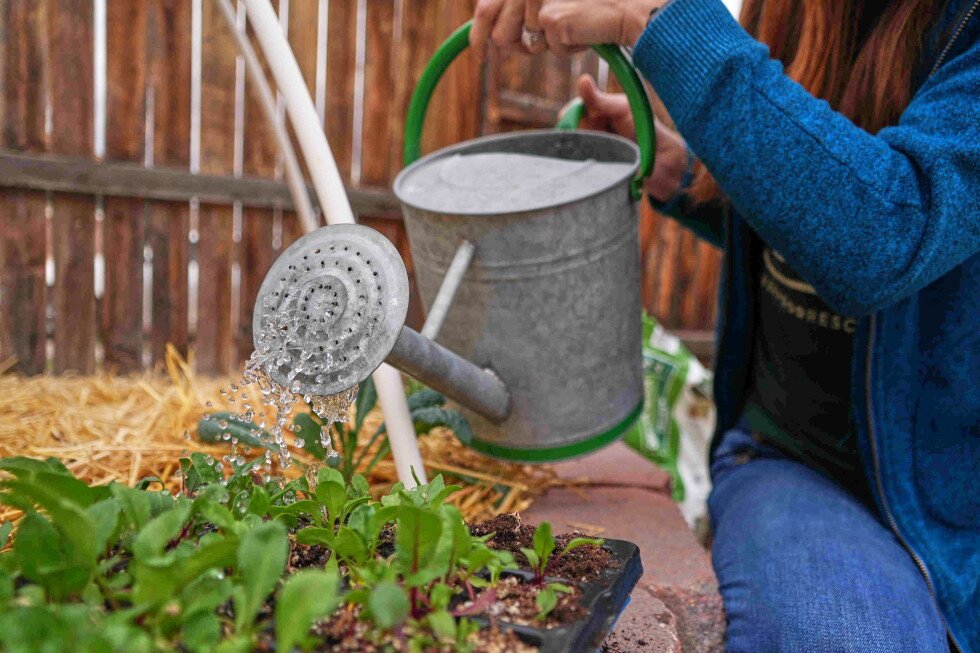
Now that the gardening season is in full swing, so is the bad advice. There is no shortage of social media “experts” doling out “genius gardening hacks,” and well-intended friends who, frankly, don’t know what they’re talking about.
Their tips might sound brilliant on the surface, but dig deeper and you’ll find many belong in the compost pile.
Here are some common myths and misconceptions that might seem to make sense but can ruin your garden and waste money.
Bad advice: Use vinegar as a ‘safe and natural’ weedkiller
Household vinegar merely serves as a contact herbicide that burns leaves without killing roots, so the weeds often grow back. Horticultural vinegar, which has a stronger concentration of acetic acid, is more effective but can damage soil, harm nearby plants, and must be used with caution (wear gloves and goggles) to avoid injury to skin and eyes.
Instead: Manually pull weeds from garden beds, then cover the soil with 3-4 inches of organic mulch to discourage more from taking hold. Any that do germinate in the mulch will pull up very easily.
To eliminate small weeds from cracks and crevices between pavers, sprinkle with baking soda on a dry, windless day and let it sit (do not use baking soil in garden beds or on the lawn). Other efficient methods include using a crevice weeding tool or targeted propane flame tool to remove or destroy the weeds. Either way, fill cracks with sand or sealant afterward to prevent recurrences.
Bad advice: Apply wound paint to seal cuts on pruned tree limbs
Trees compartmentalize their wounds, so sealants aren’t generally necessary. In addition, the products can trap moisture and disease-causing pathogens and encourage decay, defeating their stated purpose while interfering with the tree’s natural healing process. Light sealants should be applied only to elm or oak trees that are pruned or injured during the growing season to discourage Dutch elm disease and oak wilt, respectively. Sealants aren’t necessary when pruning these trees at the recommended (dormant) time of year.
Instead: Be sure to use proper pruning techniques, prune only at the appropriate time of year and allow wounds to heal on their own.
Bad advice: Till garden beds every year to loosen the soil
Sure, it makes the garden look nice and neat, but over-tilling soil destroys beneficial microbes, kills earthworms, disrupts mycorrhizal fungi networks, damages soil structure, increases erosion and moves buried weed seeds to the surface, where conditions are perfect for them to sprout. The practice can also interfere with the soil’s moisture-holding capacity.
Instead: In average conditions, spread a 2- to 3-inch layer of compost over garden beds and let it work into the soil over time.
To create new beds, cover the area with thick layers of newspaper or corrugated cardboard in the fall, then top it with a few inches of mulch or compost, and allow it to smother grass and weeds over the winter and into spring. If you didn’t plan ahead, lay cardboard now, then cut holes and plant right through it. Be sure to apply mulch afterward.
If you must turn the soil to break up compaction in your garden, do so gently using a broadfork or long-handled garden fork. Use the same tools to gently work in amendments like compost.
Bad advice: Water plants lightly every day
Giving houseplants, garden plants, potted outdoor plants or the lawn a sprinkle every day moistens the soil surface only on its surface instead of at root-depth, where it’s needed. Lightly watered plant roots remain at the top, near their water supply, instead of growing downward and outward.
Instead: Water more deeply and less frequently to encourage a larger root system that will withstand drought by accessing farther moisture sources from the surrounding area.
Bad advice: Use landscape fabric under garden beds to discourage weeds
Barrier fabrics fail to stop weeds long-term, create root-tangled messes, restrict the flow of water and oxygen, and introduce microplastics into the soil as they degrade.
Instead: Apply a 2-to-4-inch layer of organic mulch, such as shredded bark, wood chips or straw, over the soil, pushing it away from trunks and stems. Refresh it as it breaks down. It will regulate soil temperature and moisture, nourish the soil as it decomposes and support the soil life that supports your plants
Exception: Landscape fabric can be helpful under gravel or stone paths, or under walkways, where it creates a barrier between the hardscape and the soil below.
___
Jessica Damiano writes regular gardening columns for The Associated Press. She publishes the award-winning Weekly Dirt Newsletter. Sign up here for weekly gardening tips and advice.
___
For more AP gardening stories, go to https://apnews.com/hub/gardening.