
Africa
Iran links war deal to Israeli withdrawal from Lebanon

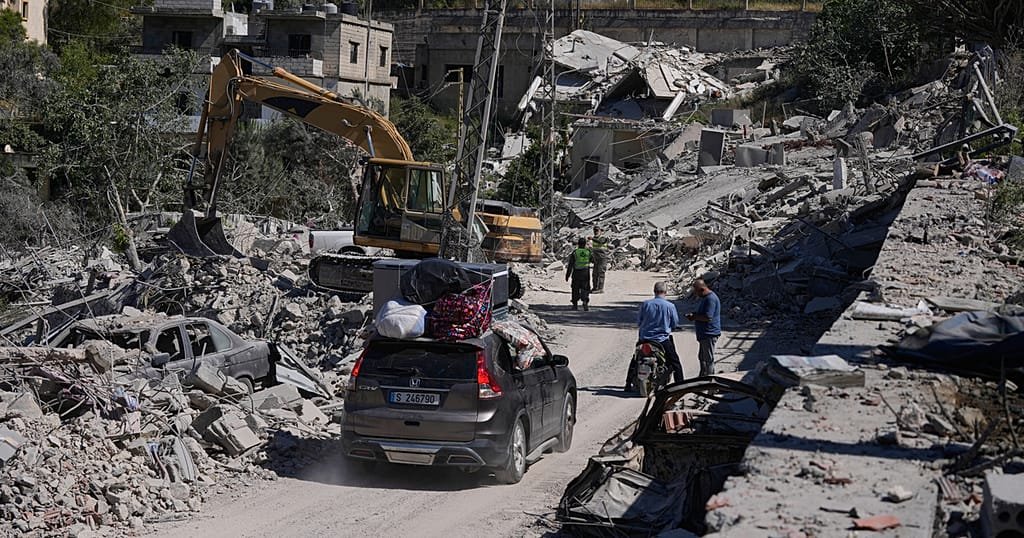
Iran’s foreign minister has declared that any agreement ending the conflict with the United States must also include Israel’s withdrawal from Lebanese territory, warning that continued military action or occupation would violate the emerging memorandum of understanding.
Iranian Foreign Minister Abbas Araghchi said the end of the war cannot be considered complete without an Israeli withdrawal from territories occupied in Lebanon during the conflict.
Speaking to foreign diplomats in Tehran, Araghchi argued that the situation in Lebanon is “an inseparable part” of any comprehensive settlement and insisted that the occupation must end before the war can truly be regarded as over.
Warning over future military action
The Iranian foreign minister warned that any future Israeli military strikes against Lebanon, as well as the continued presence of Israeli forces on Lebanese territory, would be viewed by Tehran as violations of the memorandum of understanding currently being negotiated.
His remarks signal that Iran intends to link developments in Lebanon directly to the broader diplomatic framework aimed at ending hostilities.
Tentative US-Iran agreement takes shape
Araghchi’s comments came a day after reports that the United States and Iran had reached a tentative agreement designed to end months of conflict and pave the way for the reopening of the Strait of Hormuz.
While officials have announced progress in negotiations, the full contents of the proposed memorandum of understanding have not yet been made public, leaving key details and implementation mechanisms unclear.
Regional implications remain uncertain
By insisting that Israel’s withdrawal from Lebanon is a prerequisite for a lasting settlement, Iran has expanded the scope of the negotiations beyond its direct conflict with Washington.
The position could complicate efforts to finalize the agreement, as regional security arrangements and unresolved territorial disputes become intertwined with the broader push for de-escalation.