
Lifestyle
How to keep microplastics out of your garden soil

It’s seed-starting and planting season, and that means it’s likely buying season. This year, consider not only the gardening gear and plants you bring home, but also whether they’re made of, contained in or wrapped in plastic.
Those plastic products eventually break down into minuscule particles called microplastics, which can leach into and contaminate our food and the earth in landfills. Common household sources of microplastics include food-storage containers, kitchen utensils, detergent bottles and even some clothing, and the particles have been detected in everything from drinking water and food to human bodies.
But have you considered what could be lurking in your garden?
Soil contains millions of beneficial microorganisms, like bacteria and fungi, but it can also harbor microplastics. So, what’s a health- and environment-conscious gardener to do?
First, don’t add to the problem
We might not be able to reverse the damage, but there are steps we can take to minimize our contributions to the plastics problem and move toward a cleaner future. You might even save a few bucks in the process.
Instead of buying plastic seed-starting trays, consider using a soil-blocking kit to make your own vessels. The kit’s metal molds compress a moist mixture of compost, peat moss, perlite and nutrients into solid cubes that stand on their own.
The cubes benefit fledgling plants by air-pruning their roots. That means that instead of circling and strangling themselves when they hit the sides of a pot, the roots will pause their outward reach and instead grow denser when exposed to air at the edges of the blocks. They’ll settle into the garden more easily, too.
If you’re not up for a DIY project, consider pots or trays made of biodegradable coir or composted manure (don’t worry, they’re odor-free and could pass for cardboard).
This article is part of AP’s Be Well coverage, focusing on wellness, fitness, diet and mental health. Read more Be Well.
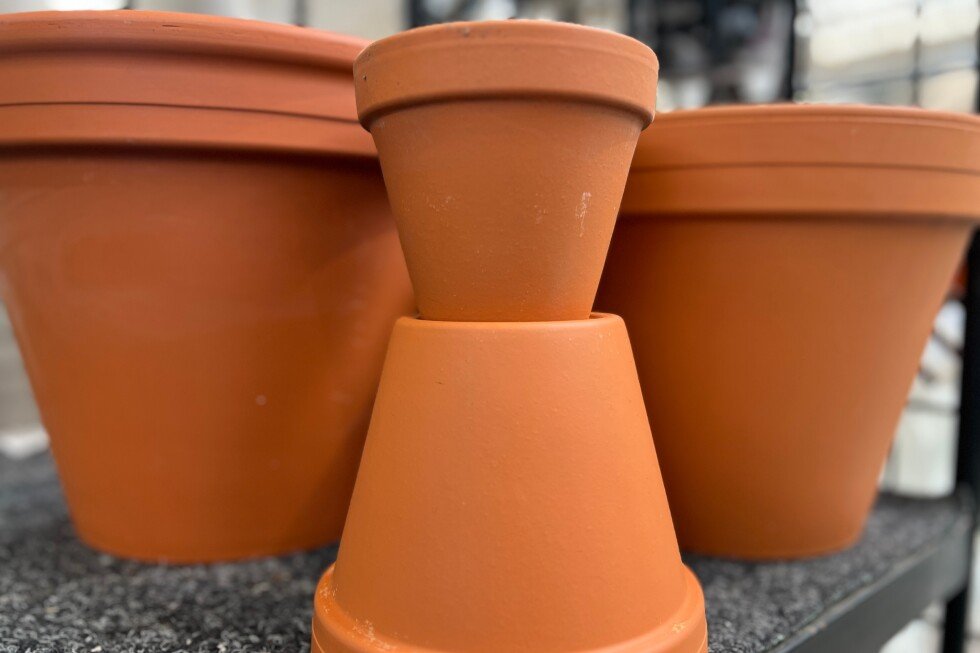
When buying containers for larger plants, look to natural materials, like wood or terracotta.
Root vegetables, herbs and tomatoes grow especially well in fabric grow bags, which come in a variety of sizes. Those made for potatoes include a roll-up “door” that makes harvesting easy. Check the labels to ensure they’re made of natural, not synthetic, fibers.
Whenever possible, buy bare-root plants over those sold in plastic pots.
Keep things basic with compost
Start your own compost pile so you won’t need to be as much soil or fertilizer. There will be no plastic bags to discard, and you’ll know exactly what went into the amendment. If that’s not possible, buy compost in bulk; it’s cheaper than bagged, anyway.
Choose canvas tarps over plastic ones and never use landscape fabric under beds or borders. Instead, stick with shredded bark, wood chips or dry leaves to discourage weeds, except in fire zones, where gravel is preferred as a matter of safety.
Use bamboo, wood or metal stakes to support tomatoes and vining plants. Secure them with a natural twine, like hemp or jute.
Wooden popsicle sticks make great plant markers.
And if you must buy plastic, avoid single-use items like flimsy seed trays. Using sturdy ones that will last for many years before discarding would be a step in the right direction. And a lot of little steps will add up.
___
Jessica Damiano writes regular gardening columns for The Associated Press. She publishes the award-winning Weekly Dirt Newsletter. Sign up here for weekly gardening tips and advice.
___
For more AP gardening stories, go to https://apnews.com/hub/gardening.