
Lifestyle
The PB&J sandwich has evolved well beyond a lunchbox staple

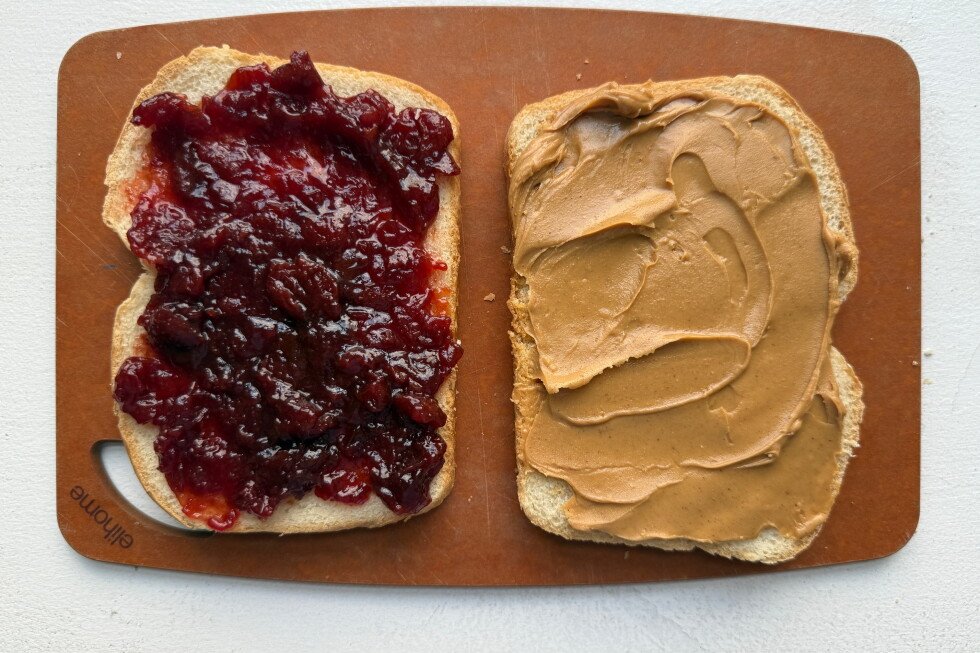
If there is a single sandwich associated with childhood and school lunches in the U.S.A, it has to be the PB&J.
Sweet and salty, inexpensive, easy to make (maybe the first sandwich many kids make for themselves?), peanut butter and jelly is as close to iconic as a sandwich can get.
It’s been 125 years since the first known written recipe, and the PB&J concept is still going strong. In its simplest form, it’s a lunchbox staple, but it’s also a jumping-off point for creative takes in eateries from delis to high-end restaurants.
It’s nothing if not versatile: When peanut allergies led to school bans, alternative nut butters like almond and seed butters like sunflower, flaxseed and pumpkin seed stepped in.
The combo began as a tea sandwich for the wealthy
The recipe that appeared in 1901 in The Boston Cooking School Magazine was written by Julia Davis Chandler. It called for current or crab-apple jelly and was viewed as a fancy tea-time snack for wealthy people.
In the 1920s and ‘30s, commercial peanut butter and machine-sliced bread became widely available. Peter Pan and Skippy were early brands, and then Jif came along in the 1950s.
Natural peanut butter has also carved out a niche, though what “natural” means is up for debate. Many people think of it as peanut butter that allows the natural oil to separate, and requires stirring to emulsify.
The classic old-school sandwich would have to be two slices of soft bread, probably white, maybe wheat, with a layer of peanut butter (crunchy or smooth) on one side, jelly (often grape, maybe strawberry or raspberry, probably seedless) on the other. Simple and perfect.
Not so long ago, a kid who lugged sandwiches to school made with heavy natural peanut butter and sugar-free jam on multigrain bread wouldn’t have found anyone who wanted to trade. (Trust me on that.)
But times and tastes have evolved, and now a sandwich like that would no longer feel crunchy-granola-weird.
Twists include adding pickles, chips, marshmallow fluff and more
Griddled or pan-fried versions of the PB&J are popular throughout the South and Midwest. In some regions of the U.S., you might find dill pickles tucked into the sandwich, or potato chips layered in for salty crunch. PB&J with a side of chili is pure school-cafeteria nostalgia — cheap, protein-packed and filling.
In New England, the “Fluffernutter” still reigns, with marshmallow fluff standing in for the jelly.
Texans sometimes take their PB&Js with jalapeño jam and crispy bacon, often double-decked with an extra slice of bread. And at Southern state fairs, you can find the sandwich deep-fried (though I’d advise waiting a while before getting on any rides afterwards).
Restaurant menus play with peanut butter and jelly
In San Antonio, Texas, a restaurant called PB&J with Tay has a whole menu inspired by this sandwich. You might try The Egg-Cellent, which contains peanut butter, hard-cooked egg, bacon and strawberry-jalapeno jelly, or The Kitchen Sink (Double Decker), jammed with peanut butter, banana, walnuts, almond butter, bacon, cream cheese and choice of jelly.
The South Philadelphia Tap Room in Philly has a Fried PB&J made with sourdough bread that is crusted in Frosted Flakes before being griddled.
At Pearl Street in New York City, you can indulge in PB&J Triangles with fois gras ganache on milk bread. Fancy, but it’s noted on the menu that the strawberry jam is Smuckers and the peanut butter is Jif. This mashup will set you back $24.
Just changing up the two main ingredients, and the bread, gives you a whole new sandwich
There are a lot of companies making gourmet versions of peanut butter.
At Big Spoon Roasters, in Hillsborough, North Carolina, bestsellers include Pistachio Crunch Almond Butter made with almonds, pistachios, organic maple syrup and sea salt. They describe their Maple Cinnamon Peanut and Pecan Butter as “cinnamon-dusted pecan pie in a jar.” Peanut Butter & Co., based in New York, sells a flavor enticingly named Dark Chocolatey Dreams, and another called The Bee’s Knees, made with honey.
To change up your jelly, add chia seeds, maple syrup, crushed pretzels, sliced peaches or apples, pomegranate seeds.
Try it on a croissant or challah.
No matter how far the PB&J has come from its 1901 currant jelly version, somehow it still tastes like being a kid.
___
Katie Workman writes regularly about food for The Associated Press. She has written two cookbooks focused on family-friendly cooking, “Dinner Solved!” and “The Mom 100 Cookbook.” She blogs at https://themom100.com/. She can be reached at [email protected].
___
For more AP food stories, go to https://apnews.com/hub/recipes