
Lifestyle
Don’t wait too long to harvest your garden vegetables

We sowed. We planted. We watered, watched and waited.
And now, beanstalks are reaching for the heavens, tomatoes are getting plump and zucchini are seemingly doubling in size overnight.
Timing their harvests is a balancing act, and in many cases you, as gardener, are forced to choose between optimal flavor and yield. Sometimes, one must be compromised in favor of the other — or to save your crop. Just don’t wait too long.
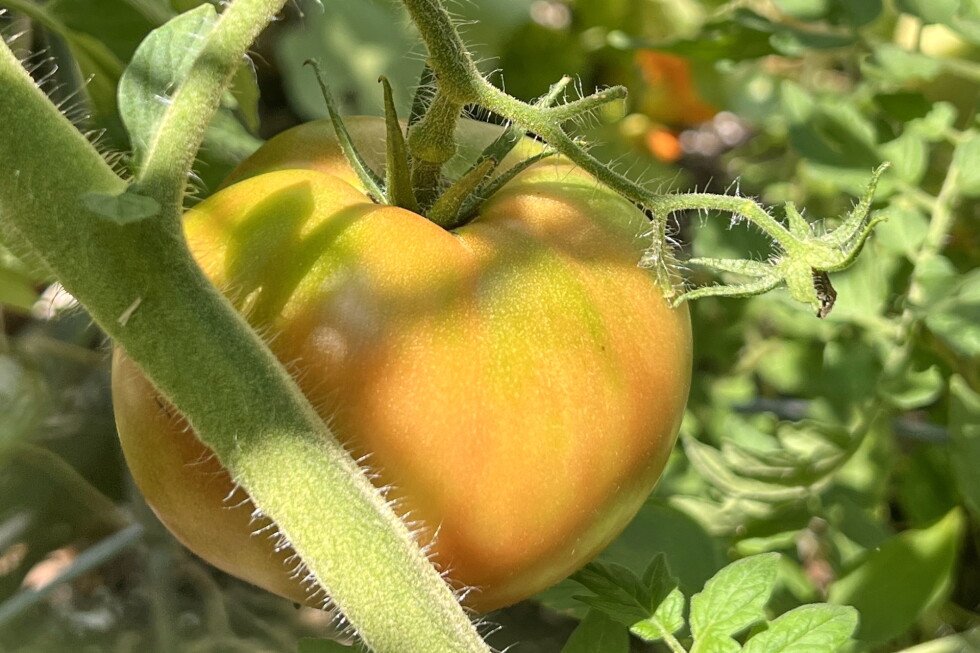
Should you wait for tomatoes to fully ripen?
Tomatoes are ripe when their mature color — red, yellow, orange, purple, etc. — is uniform. But waiting for that perfect vine-ripened moment often means risking loss. Plump, juicy tomatoes may split open on the vine or be devoured by hungry critters, who know a perfectly ripe tomato when they see one.
I pick my tomatoes a few days before they reach their peak, then let them continue to ripen upside-down on the kitchen counter (the placement helps prevent bruising at the bottom). In fact, as long as at least half the tomato is taking on color, it will ripen well indoors.
How to know when six other garden vegetables are ready to pick
Cucumbers should be green, firm and glossy. Standard types are best harvested when they’re between 6 and 8 inches long (15 to 20 centimeters); pickling types typically top out at 2-4 inches long (5 to 10 centimeters). They grow rapidly, so check plants daily. Wait too long and they’ll turn yellow and bitter.
Green bean pods should be plump but not bulging, and firm enough to snap when bent. Harvest the “ready” ones daily because the more you pick, the more the plant will produce; if you don’t remove the ripe beans, production will slow to a crawl.
Zucchini grows very quickly, so check plants daily and harvest when the zucchinis are 6-8 inches long and their skin is soft enough to pierce easily with your fingernail. This is also the ideal size for sweetness. Posting a photo of an 18-inch zucchini might amuse your friends, but you probably won’t enjoy eating its tough, seed-filled flesh.
On the other hand, eggplants tend to stop growing when they reach peak ripeness. Shiny skin is another indicator of maturity. Grab it while you can, because if you wait too long, their skin will turn dull and fade in color — and you’ll be left deciding whether to eat or toss the soft, spongy, bitter, hard-seed-filled poor excuse for an eggplant.
Corn will tell you it’s ready when its silks turn brown. Husks should be fresh, green and feel full. If you’re not certain it’s ready, peel the husk back slightly, just enough to reveal the top row of kernels, and pierce one with your fingernail. If the “juice” inside is milky, it’s ready. If it’s watery, close it up and try again in a few days. But if there isn’t any liquid inside, the corn is past its prime. That means the kernels’ wonderful sugars will have turned into starch.
You can’t go wrong with peppers though: Pick them at their immature green stage or wait until they turn red, yellow or orange. The longer they’re left on the plant, the sweeter (or hotter) they’ll be, but they’ll be perfectly edible either way.
Harvesting vegetables is morning work
Regardless of the crop, harvest in the morning, just after the dew has dried, for peak moisture content, sugar concentration and texture.
Twist fruit off thin vines or stems, such as those of tomatoes and beans, while holding the main branch with your other hand to prevent damage. Use clean, sharp scissors or pruners when removing fruit from thicker-stemmed plants, such as eggplants.
___
Jessica Damiano writes regular gardening columns for The Associated Press. She publishes the Weekly Dirt Newsletter. Sign up here for weekly gardening tips and advice.
___
For more AP gardening stories, go to https://apnews.com/hub/gardening.