
Lifestyle
It’s final call for grabbing open seats on Southwest Airlines flights

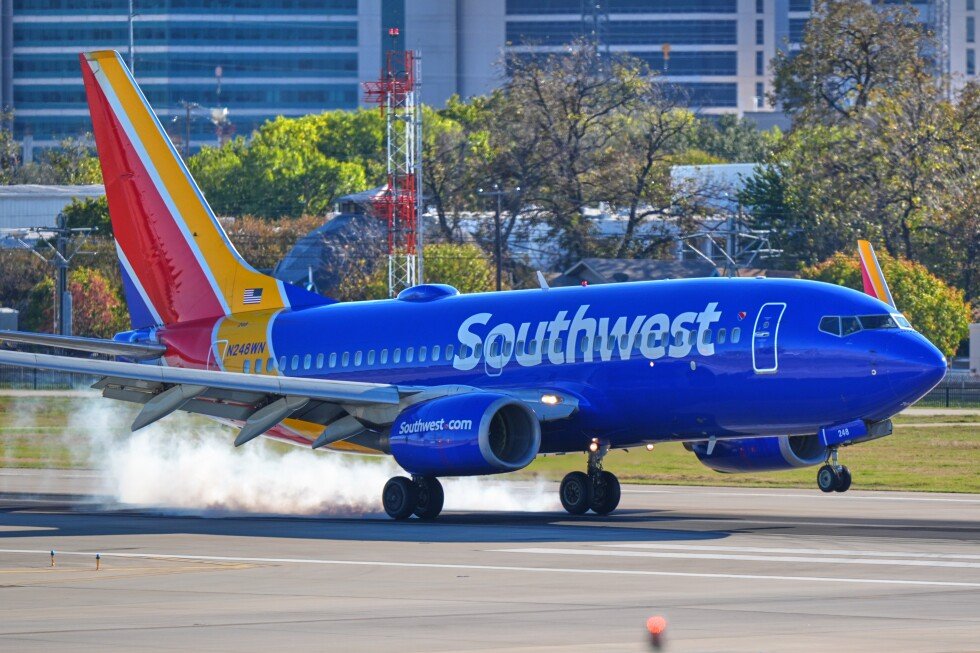
Southwest Airlines passengers made their final boarding-time scrambles for seats on Monday as the carrier prepared to end the open-seating system that distinguished it from other airlines for more than a half‑century.
Starting Tuesday, customers on Southwest flights will have assigned seats and the option of paying more to get their preferred seat closer to the front of a plane or seats with extra legroom. The airline began selling tickets shaped by the new policy in July.
Here’s what travelers can expect as Southwest does away with another of its signature features and becomes more like other airlines:
Goodbye, A/B/C groups
Under the open-seat system, Southwest customers could check in starting exactly 24 hours before departure to secure places in boarding lines at departure gates.
Early check-ins were placed in the coveted “A” boarding group, essentially guaranteeing they would find an open window or aisle seat. Others landed in “B” or “C,” the likelihood of only middle seats being available rising the longer they waited to check in.
The Dallas-based airline’s unusual seating process began as a way to get passengers on planes quickly and thereby reduce the time that aircraft and crews spent on the ground not making money. It helped Southwest operate more efficiently and to squeeze a few more flights into the daily schedule; the system also was a key reason Southwest remained profitable every year until the coronavirus pandemic.
The open-seating arrangement became less democratic over time, however, as Southwest also had starting allowing passengers to pay extra for spots near the front of the line.
Hello, assigned seating
An eight‑group boarding structure is replacing the find-your-own-seat scrum. Instead of numbered metal columns at departure gates, passengers will file through two alternating lanes once it’s time for their group to board.
The airline said its gate areas will be converted in phases starting Monday night, a process that could take about two months to complete. Columns that remain standing past Tuesday will have their numbers removed or covered in the meantime.
Southwest is selling tickets at fares with different seating choices, including standard seats assigned at check‑in or paid preferred and extra‑legroom seats selected at booking. For certain flights, passengers also will have the option of paying for priority boarding beginning 24 hours before departure.
How it will work
Newly designed boarding passes will show seat assignments and boarding groups, according to Southwest. A reservation made for nine or fewer people, including families, will assign those passengers to the same boarding group.
Southwest says the boarding groups are based on seat location, fare class, loyalty tier status and the airline’s credit card rewards benefits. Passengers who purchase seats with extra legroom will be placed in groups 1-2. Customers with premium fares and the airline’s “most loyal travelers” will also have access to preferential seats and earlier boarding, the carrier said, while those with basic fares will likely be placed in groups 6-8.
Other changes
With the switch to assigned seating also comes a revision of the airline’s policy for customers who need extra room. Under the new rule — also effective Tuesday — travelers who do not fit within a single seat’s armrests will be required to purchase an additional seat in advance.
That represents a change from the airline’s previous policy that allowed passengers the choice to purchase a fully refundable extra seat before arriving at the airport, or request a free one at the gate. Under the updated policy, refunds are still possible but no longer guaranteed and depend on seat availability and fare class.
In May 2025, Southwest also ended its decades‑old “bags fly free” policy, replacing it with baggage fees for most travelers.
The changes mark one of the biggest transformations in the airline’s history, as it alters its longstanding customer perks to bring it more in line with the practices of other larger U.S. carriers.
Why all the change?
The shift comes amid pressure from investors to increase profitability.
“We have tremendous opportunity to meet current and future customer needs, attract new customer segments we don’t compete for today, and return to the levels of profitability that both we and our shareholders expect,” Southwest CEO Robert Jordan said last year.
When the Texas-based airline first announced plans in 2024 to switch to assigned seating, it said studies on seating options showed that customer preferences had changed over the years, with the vast majority of travelers saying they now want to know where they are sitting before they get to the airport.
Jordan said at the time that open seating was the top reason surveyed travelers cited for choosing another airline over Southwest.